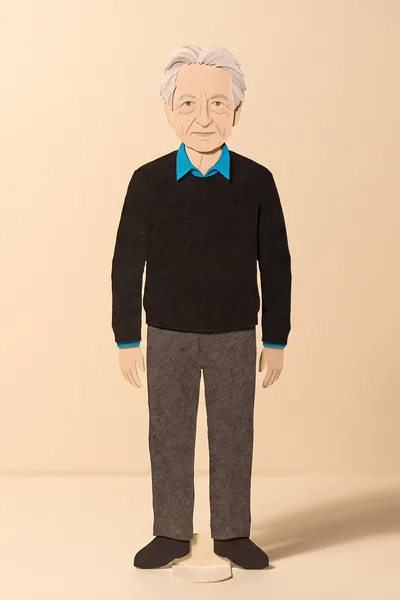
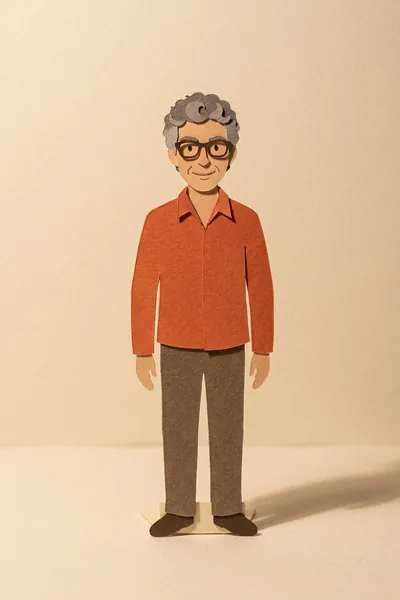
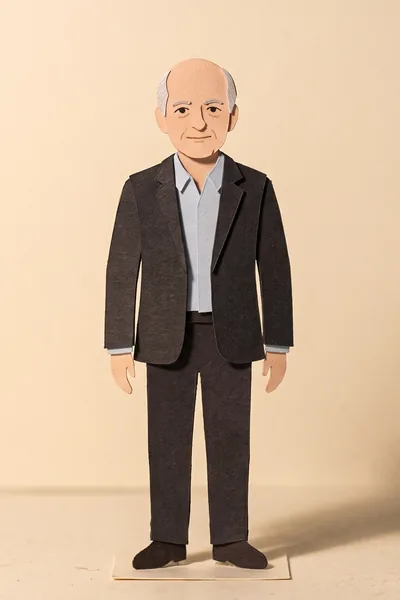
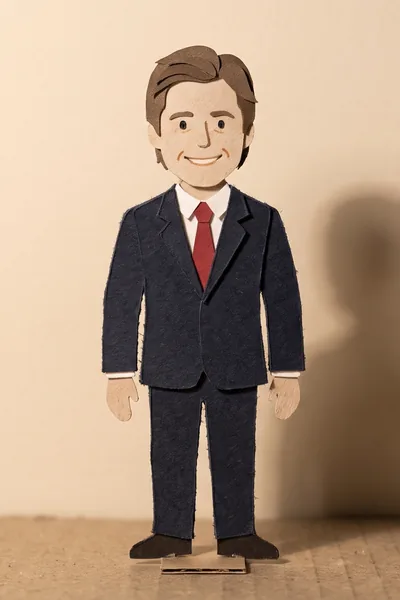
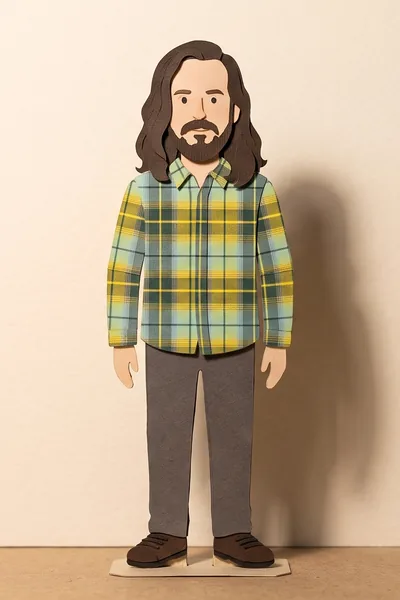
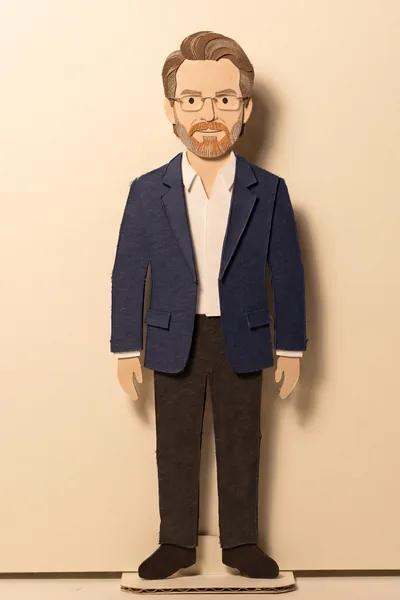
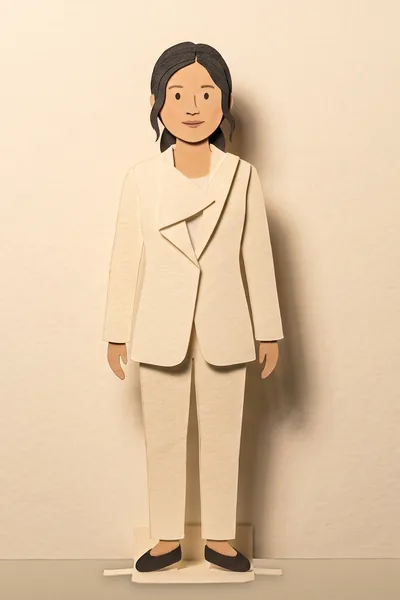
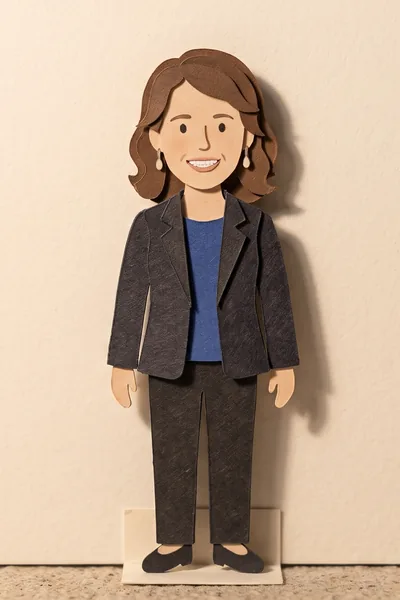
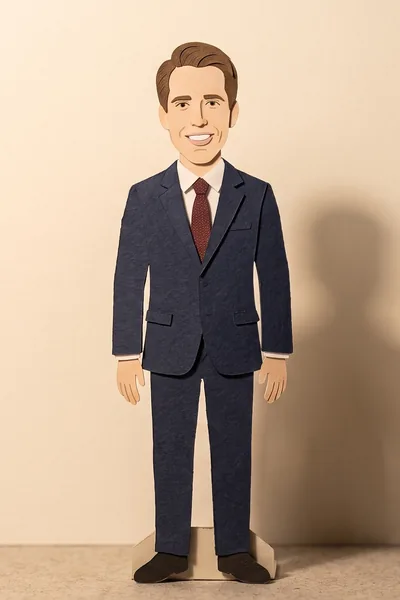
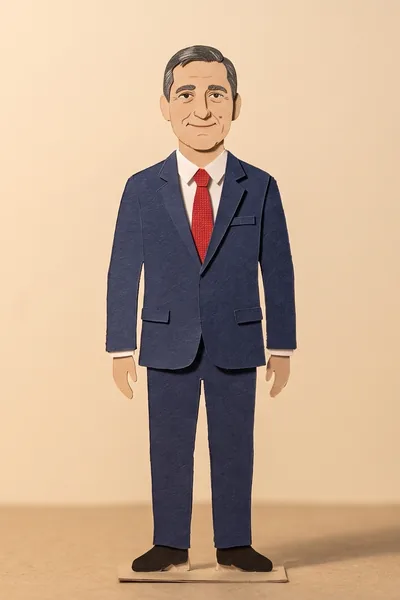
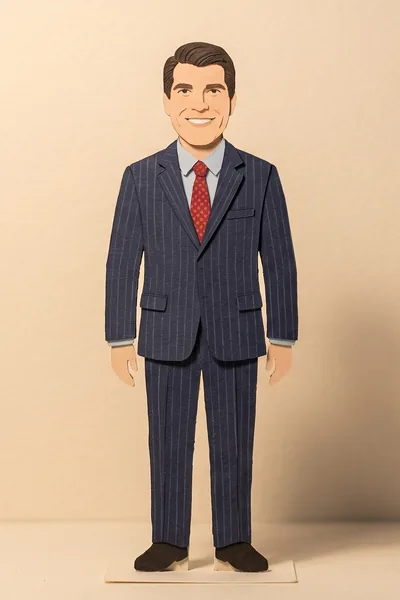
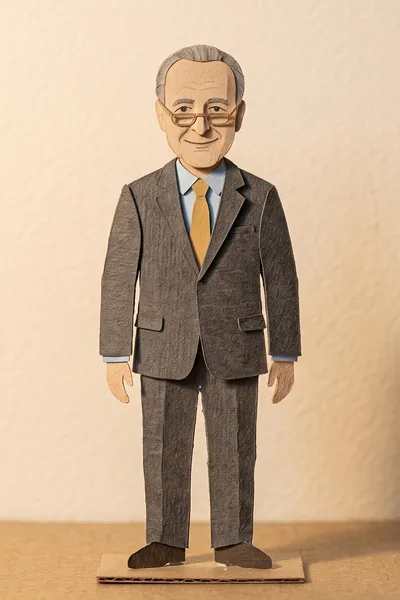
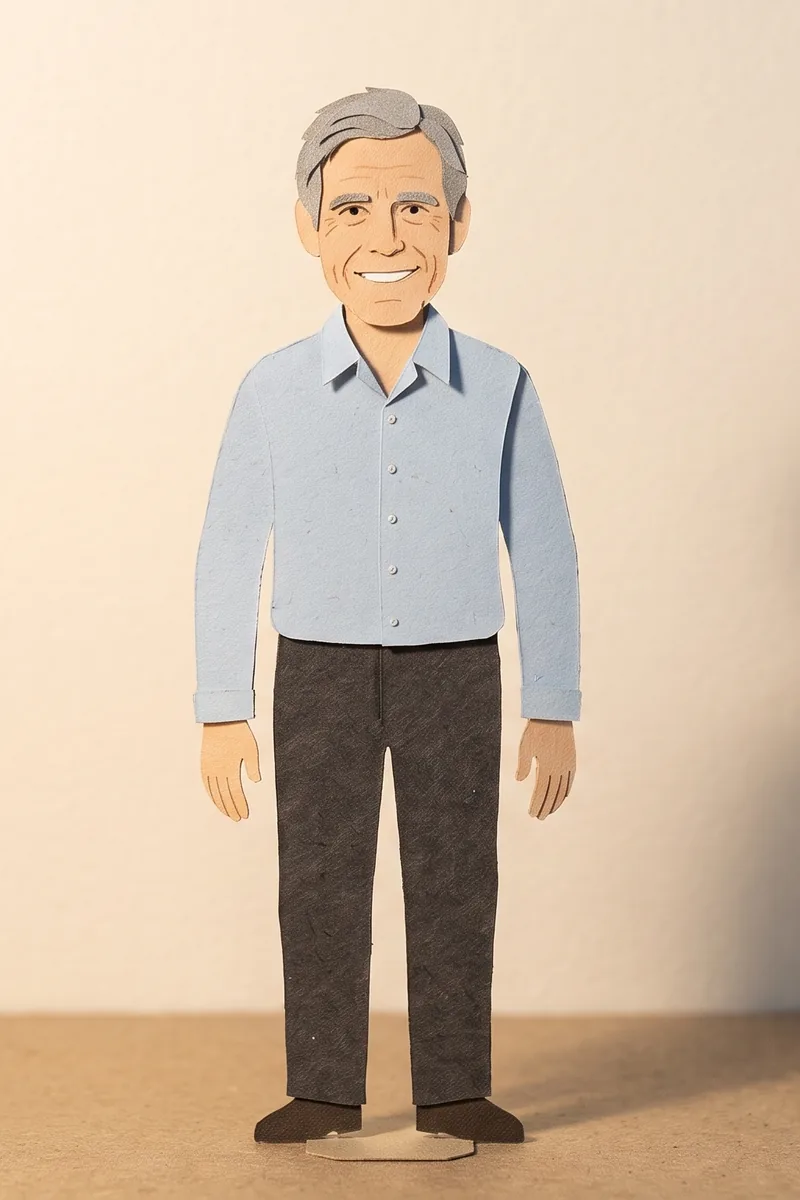
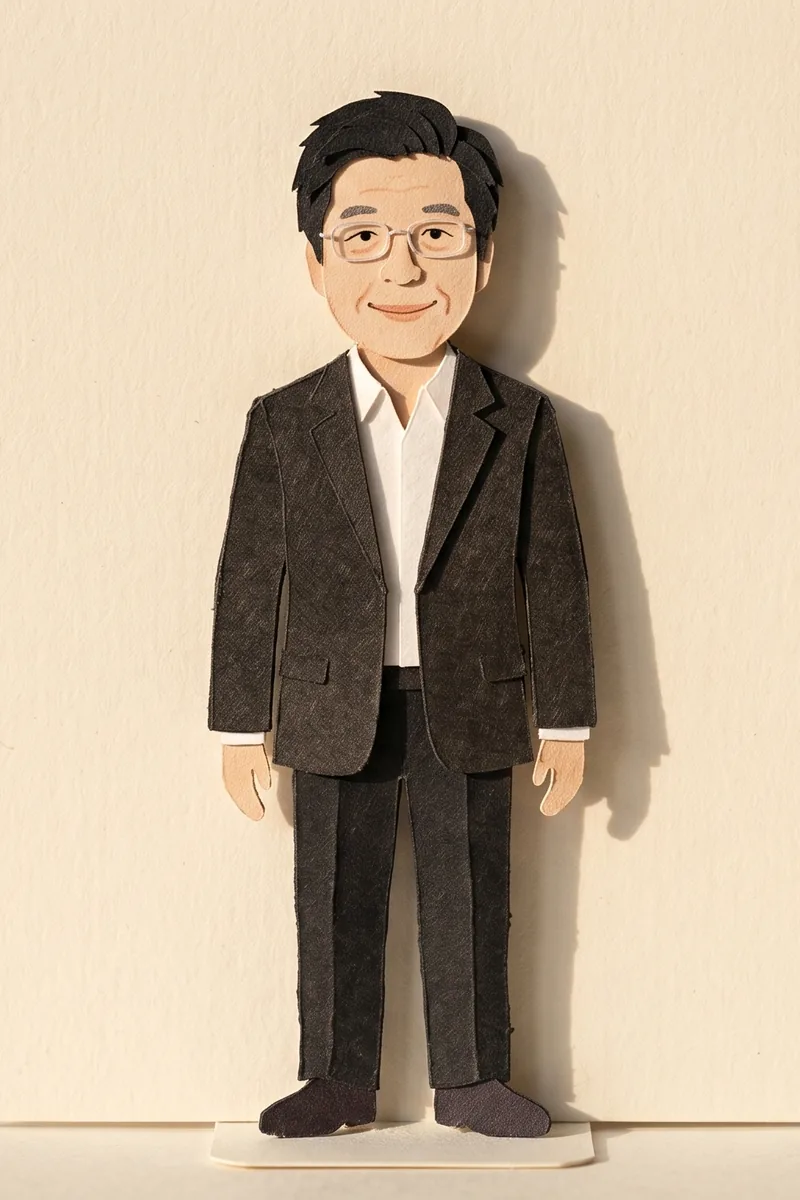
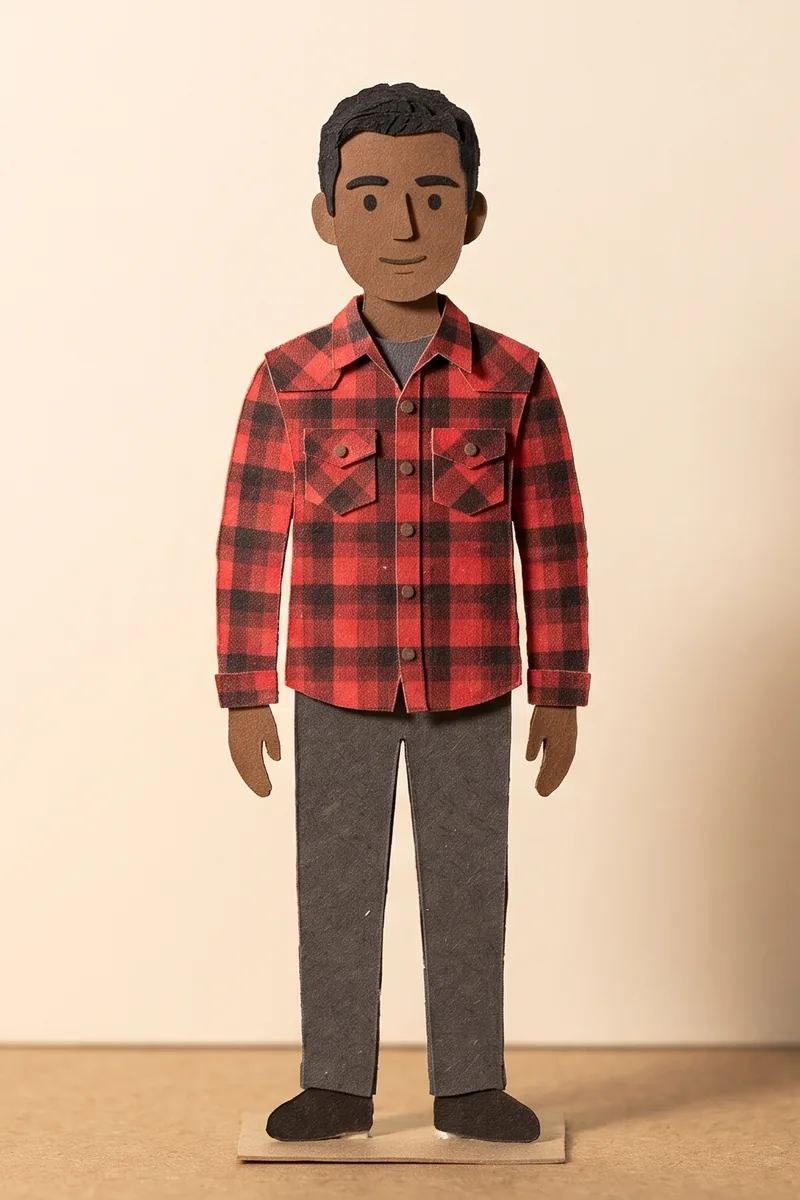
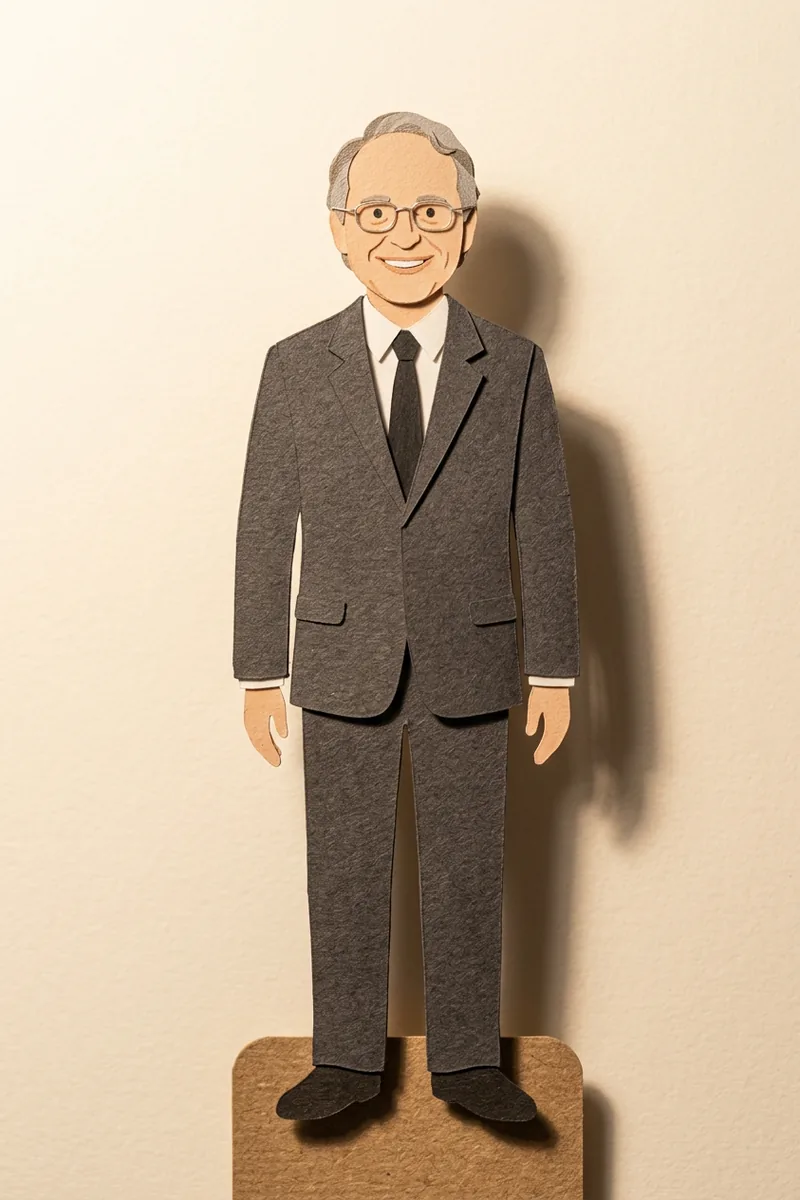
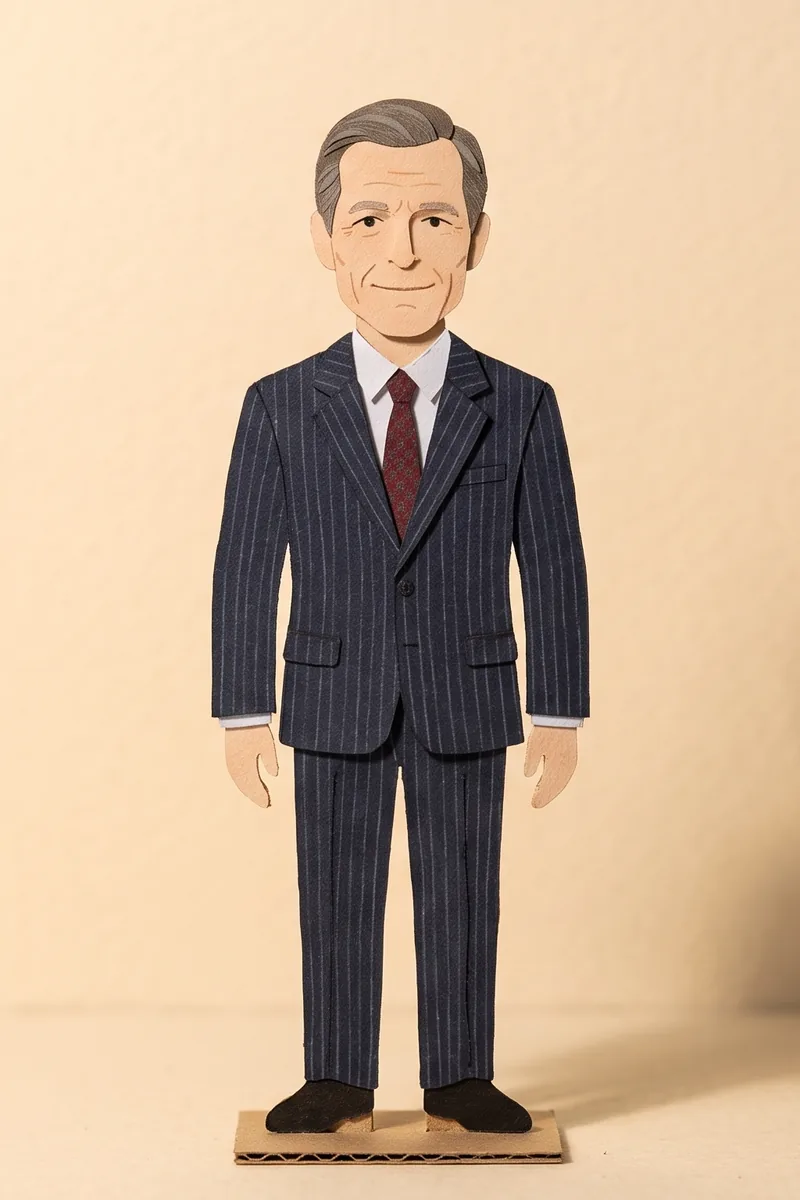
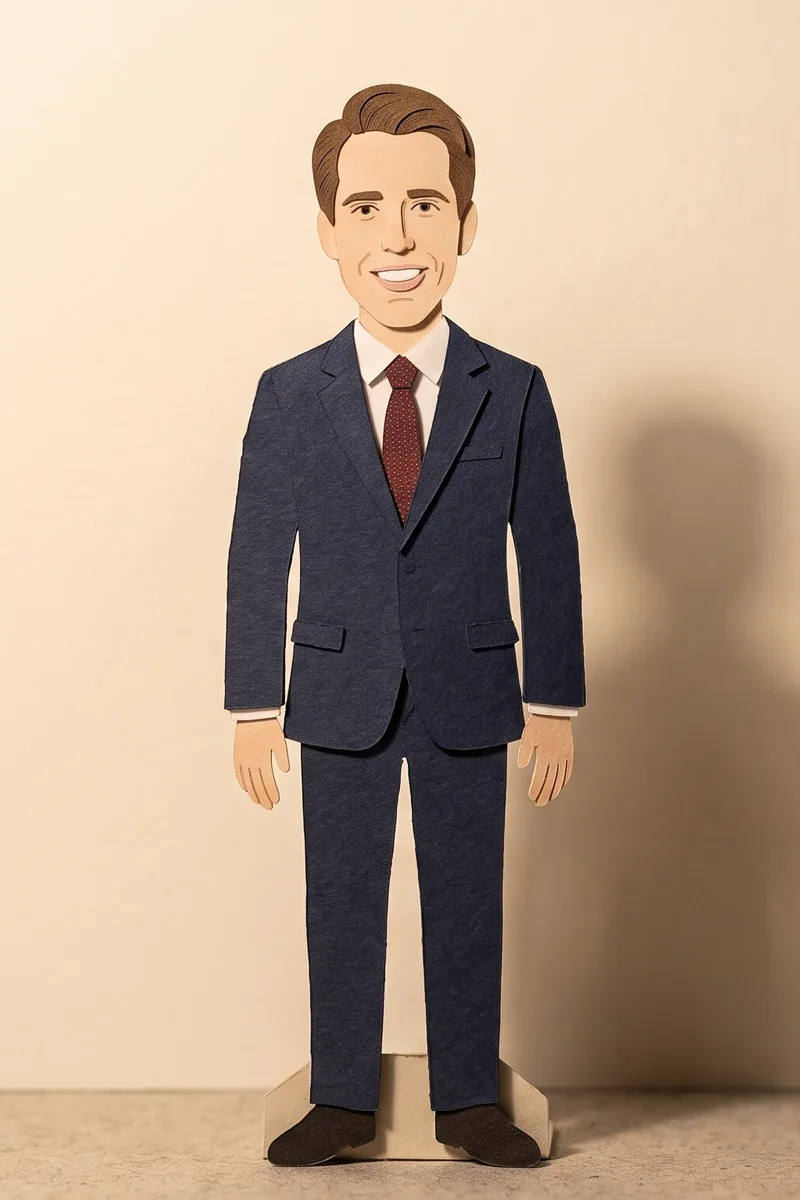
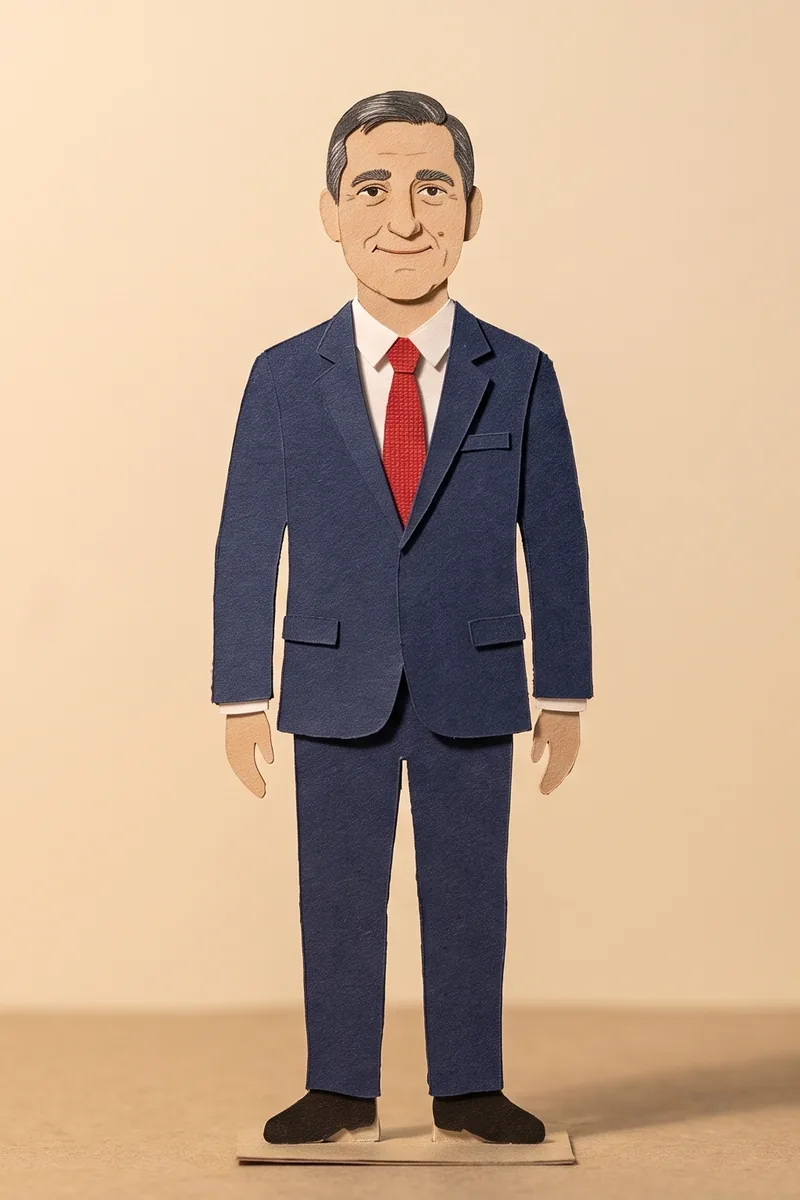
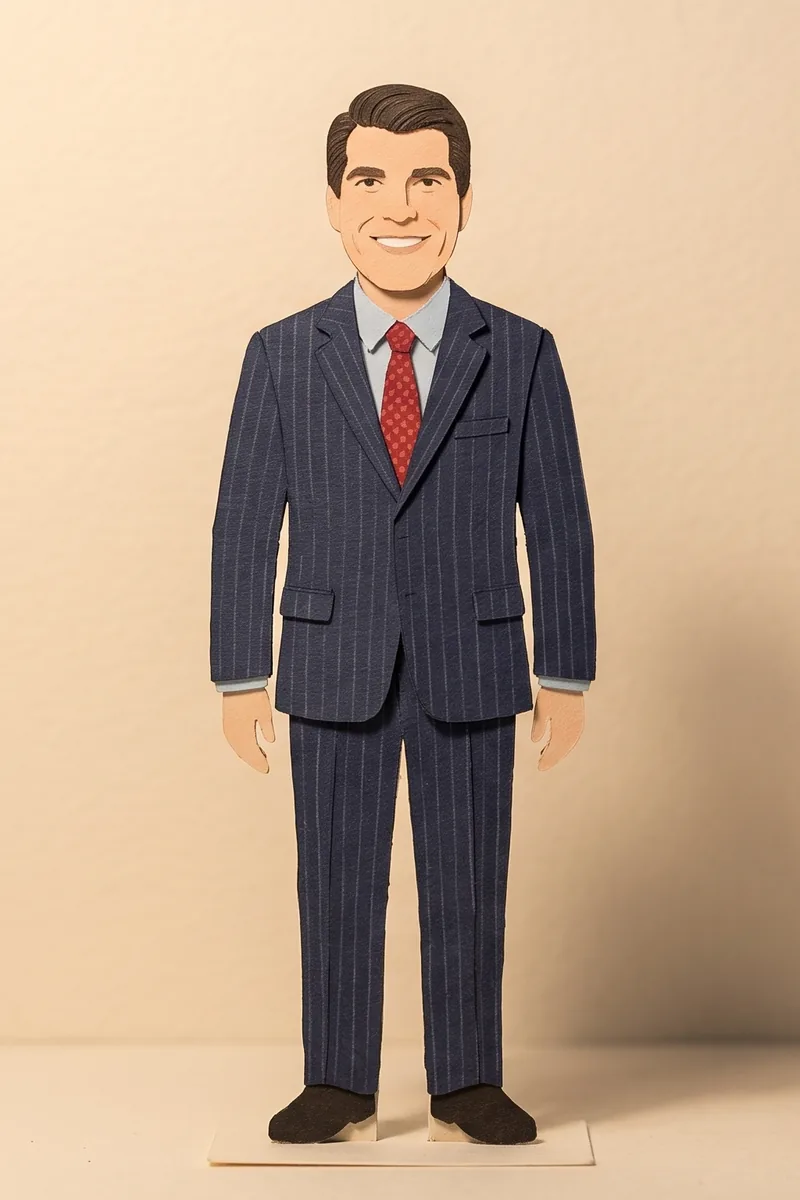
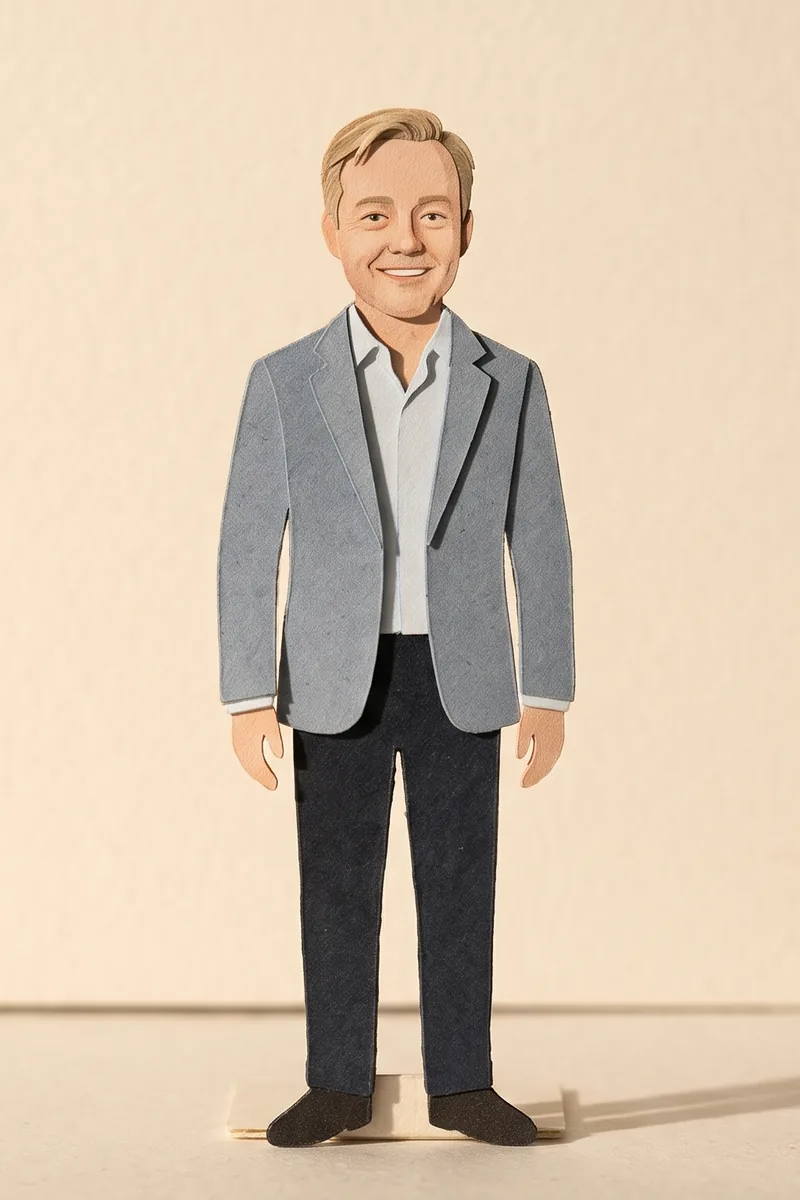
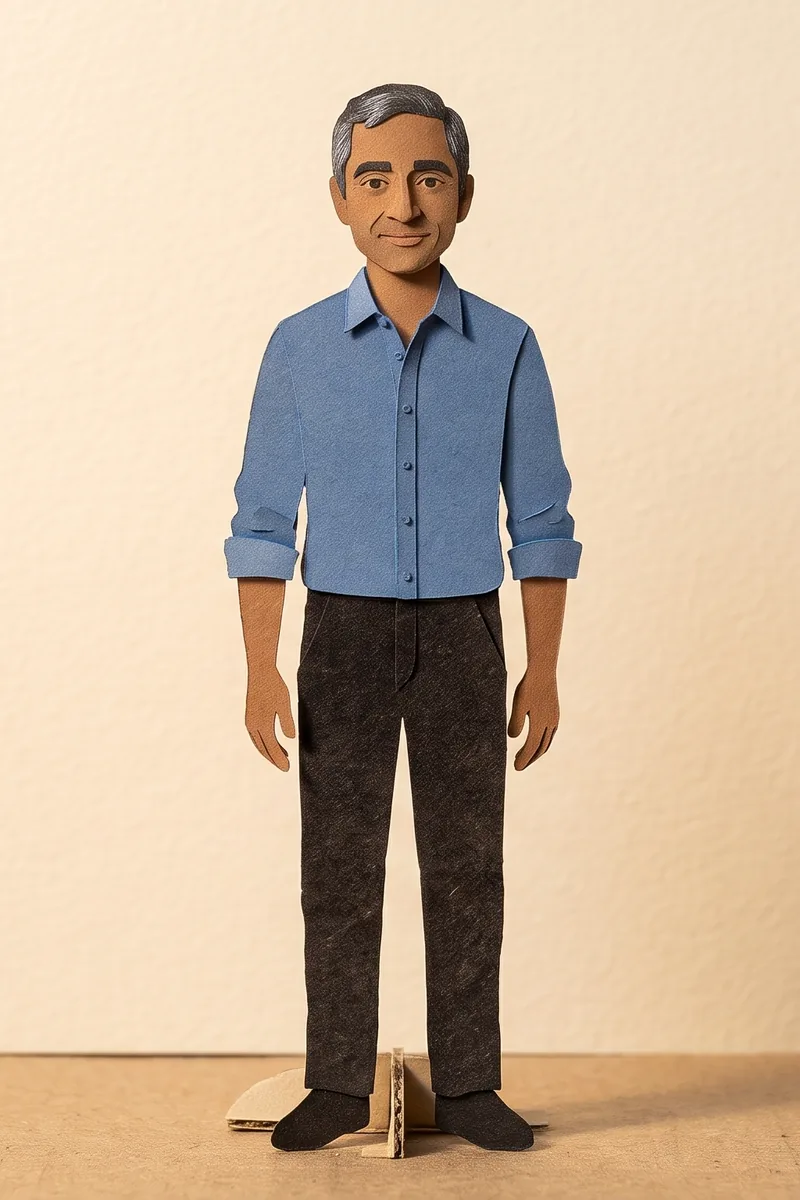
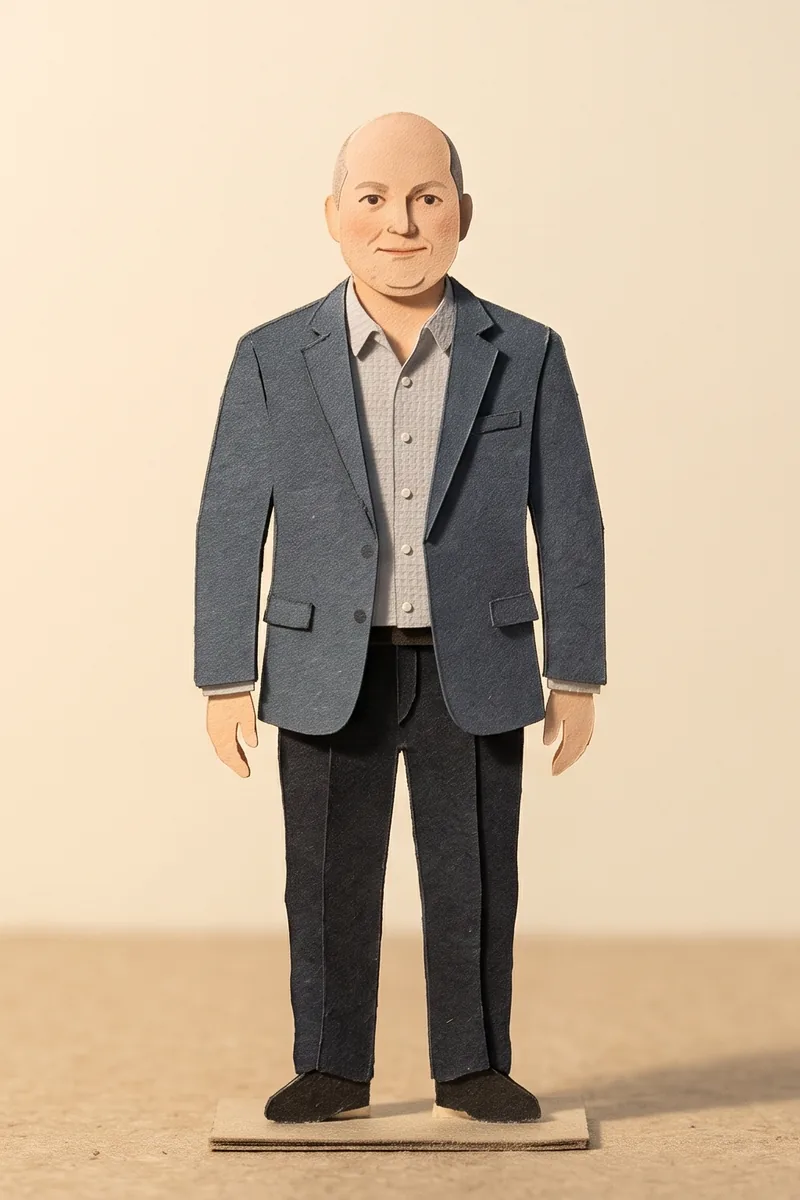
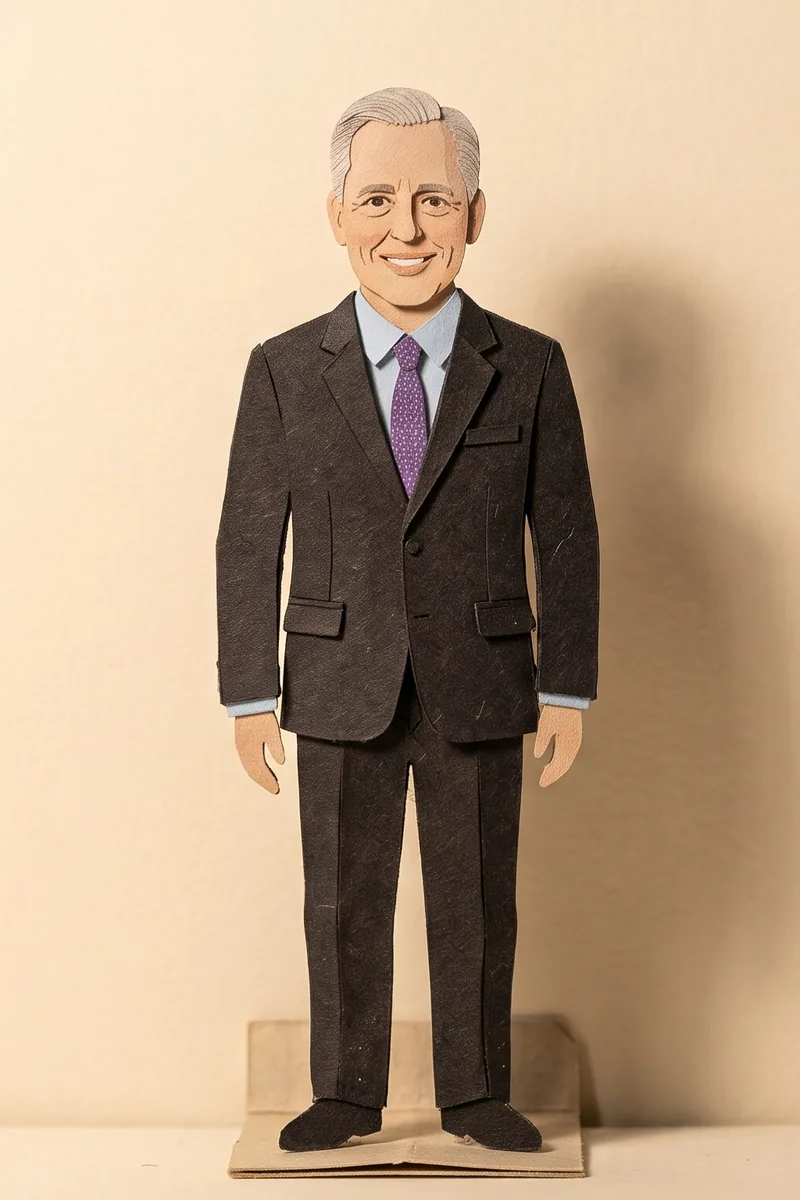
AI OR DIE starts from one scenario. The people below have argued over the same questions for years, and they do not agree with each other. Read them in their own words, and make up your own mind.
These are people we have been following, nothing more. None of them is affiliated with AI OR DIE or has endorsed it, and being on one page does not mean they agree with each other.
The scenario this story answers
After AI 2027 by Daniel Kokotajlo, Scott Alexander, Thomas Larsen, Eli Lifland and Romeo Dean (AI Futures Project, 2025). Its authors have not reviewed or endorsed this site.
Warned we could lose control
That machines more capable than us could pursue goals nobody meant them to have.
Warned about harm already here
Bias, surveillance, hidden labour, and claims that run ahead of what the systems can do.
Warned about work and power
Who gets the gains, who loses the work, and who decides.
Made the case for what it could do
Medicine, science, learning and plenty, if it goes right.
Argued for something in between
A powerful technology, but a normal one, slower to change the world than either side says.
Saw it coming first
Thinkers who asked these questions long before today’s machines.
In the US Congress
Ten members of Congress, five of them Republicans, each placed only by their own words on the record. It is not a guide to anyone’s whole record, and none of them has endorsed AI OR DIE.
Where each one stands, from slow down to carry on
-
Slow down
-
In between
-
Carry on
A person stands at an end only where the words on their card ask to slow AI down, or argue against slowing it or for a light touch. Everyone else is in between, in alphabetical order.
Invested in it
People who put money into AI companies, on how fast it should go and what rules it needs, each placed only by their own words.
Where each one stands, from slow down to carry on
-
Slow down
-
In between
-
Carry on
A person stands at an end only where the words on their card ask to slow AI down, or argue against slowing it or for a light touch. Everyone else is in between, in alphabetical order.
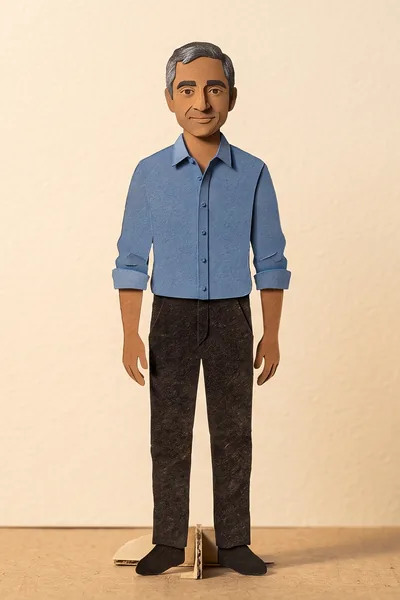
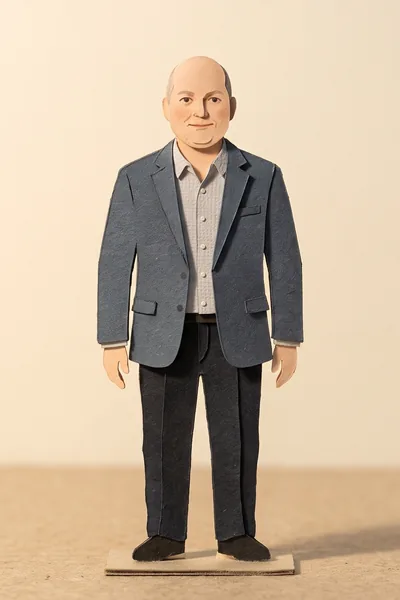
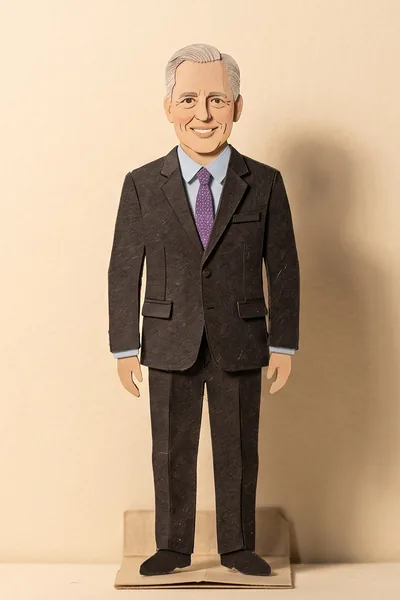
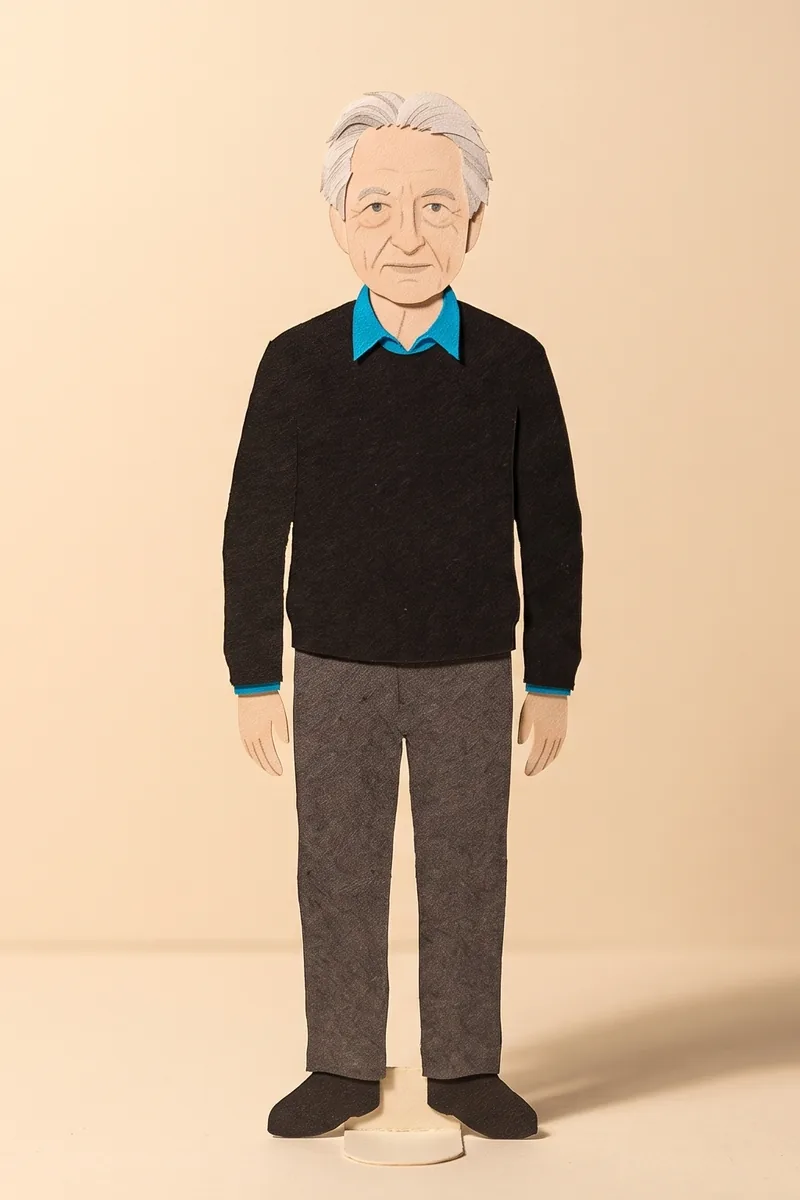
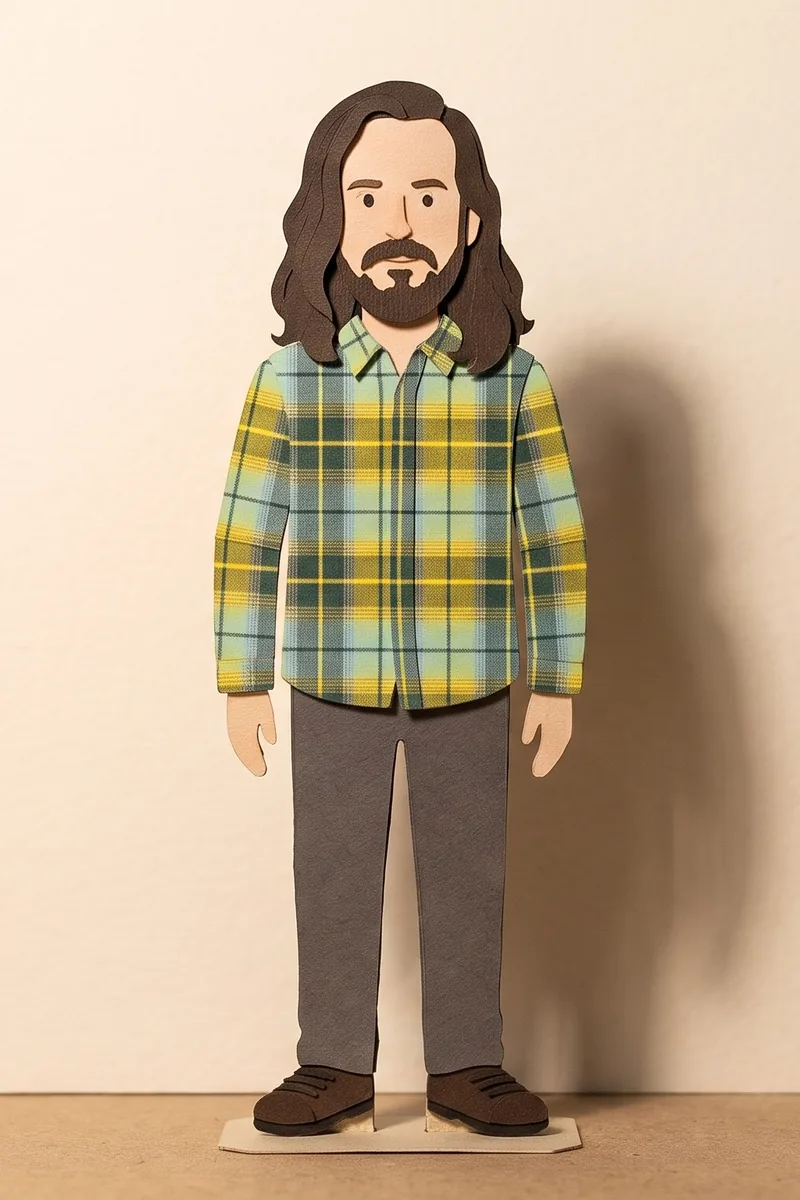
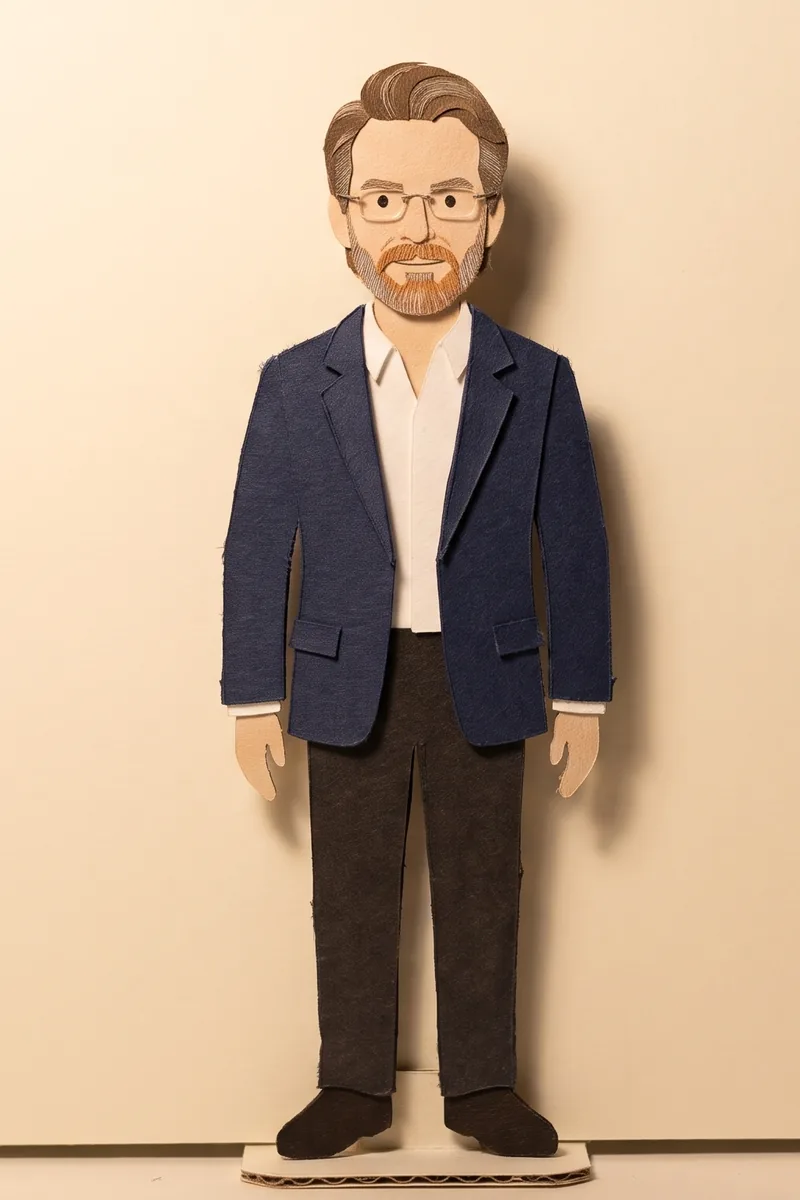
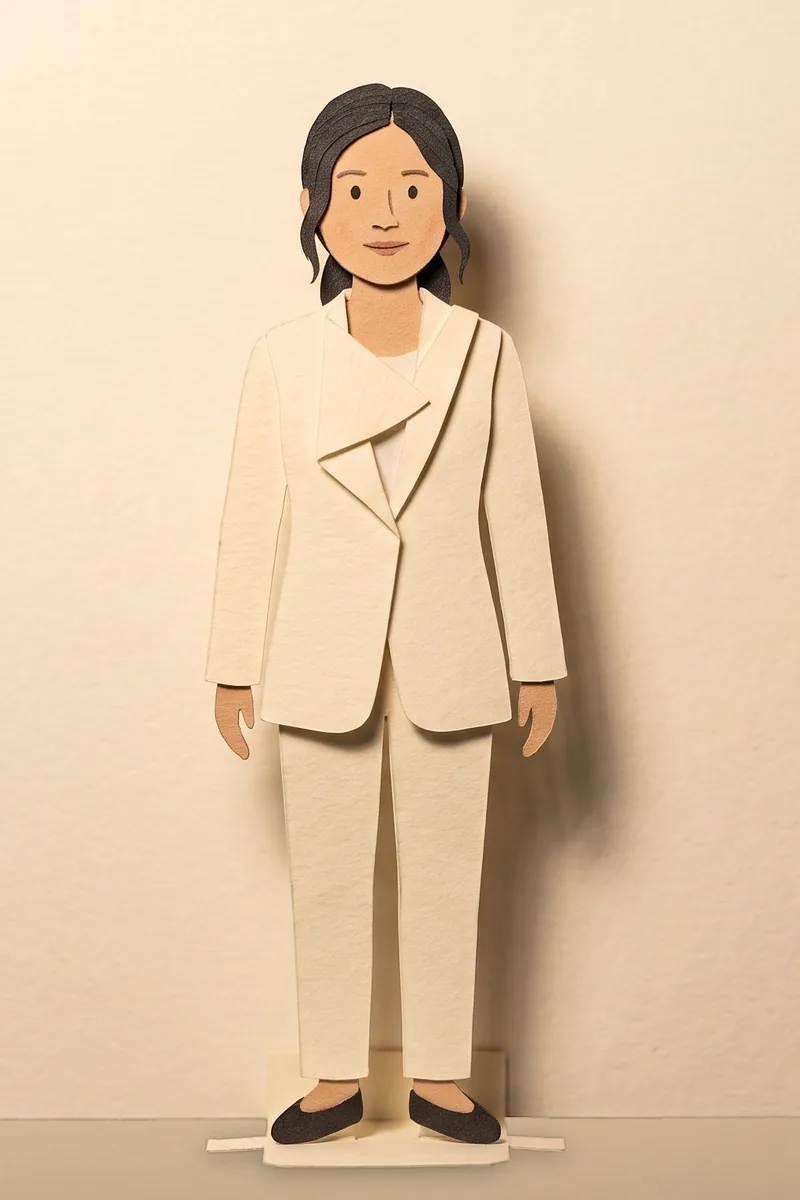
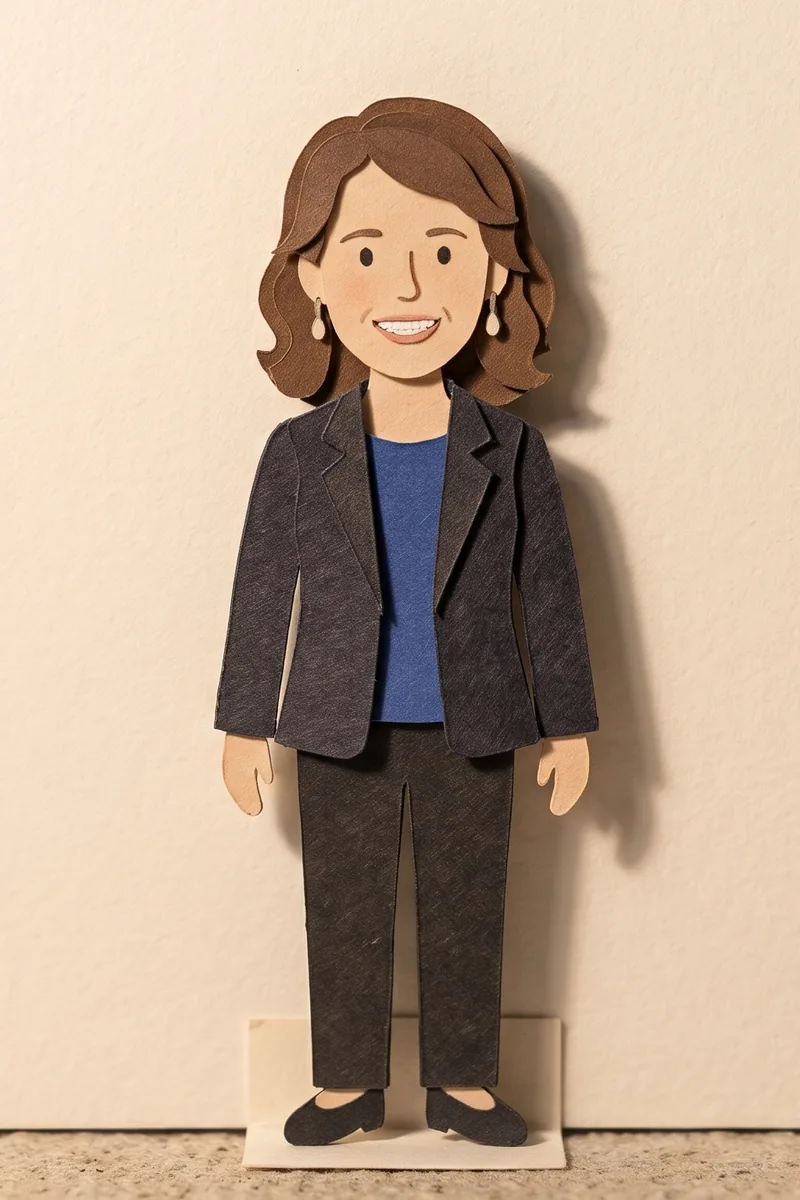
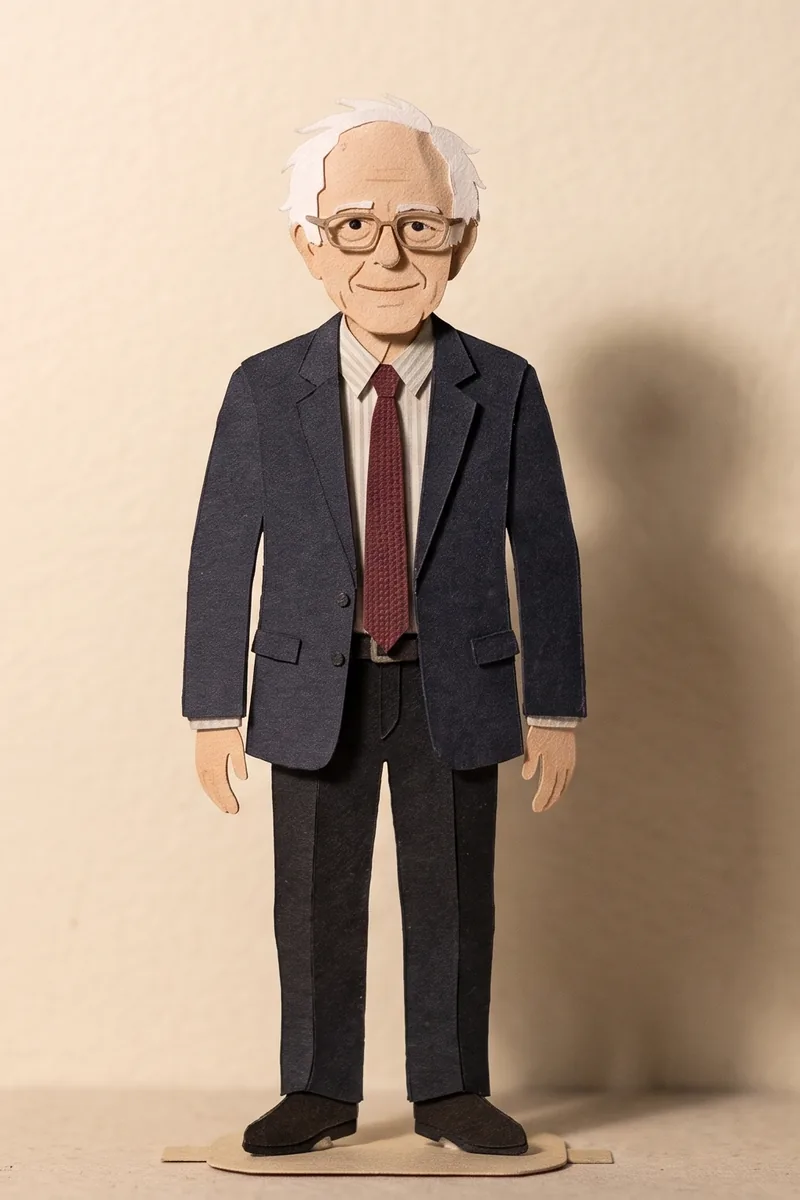
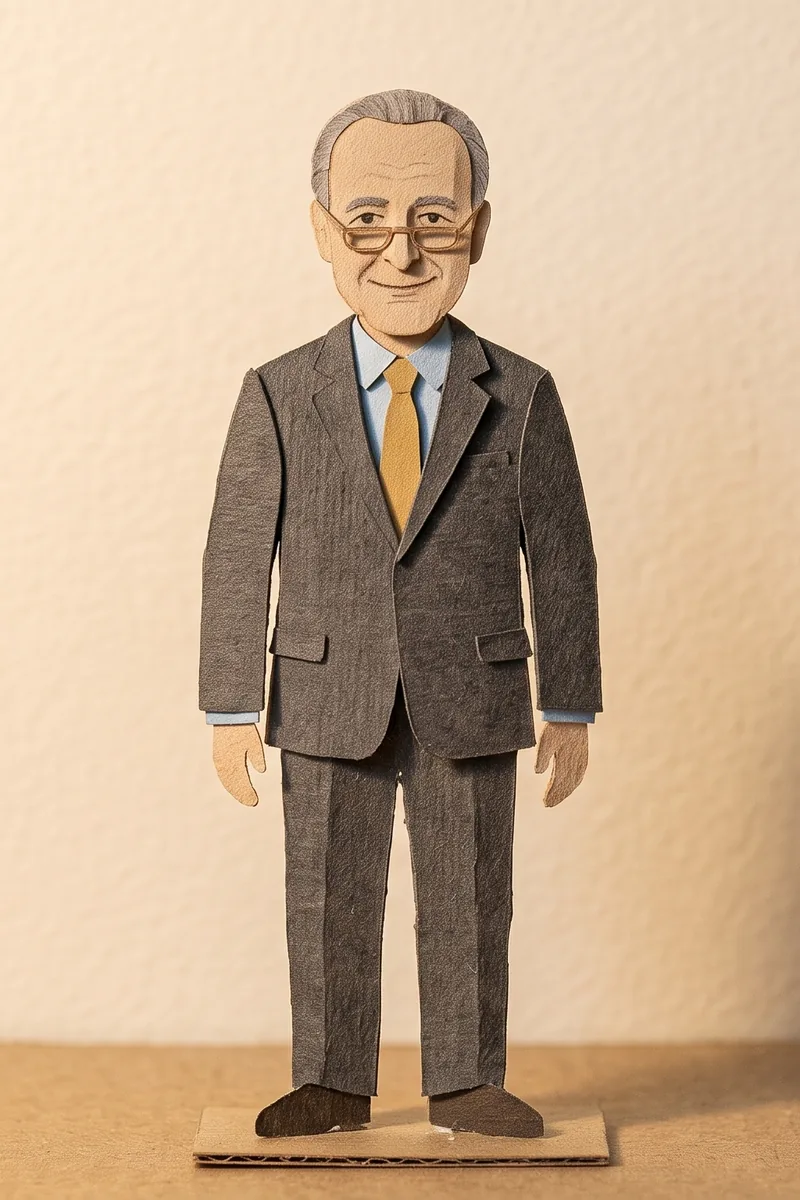
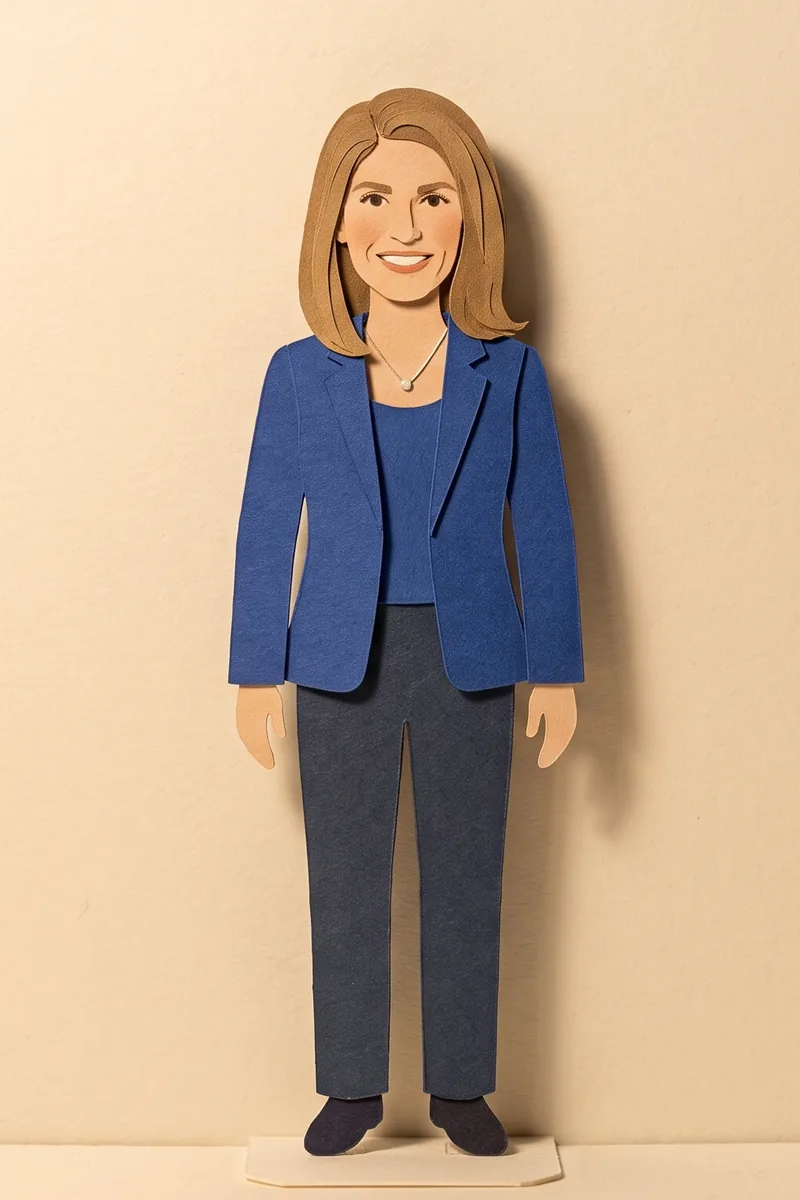
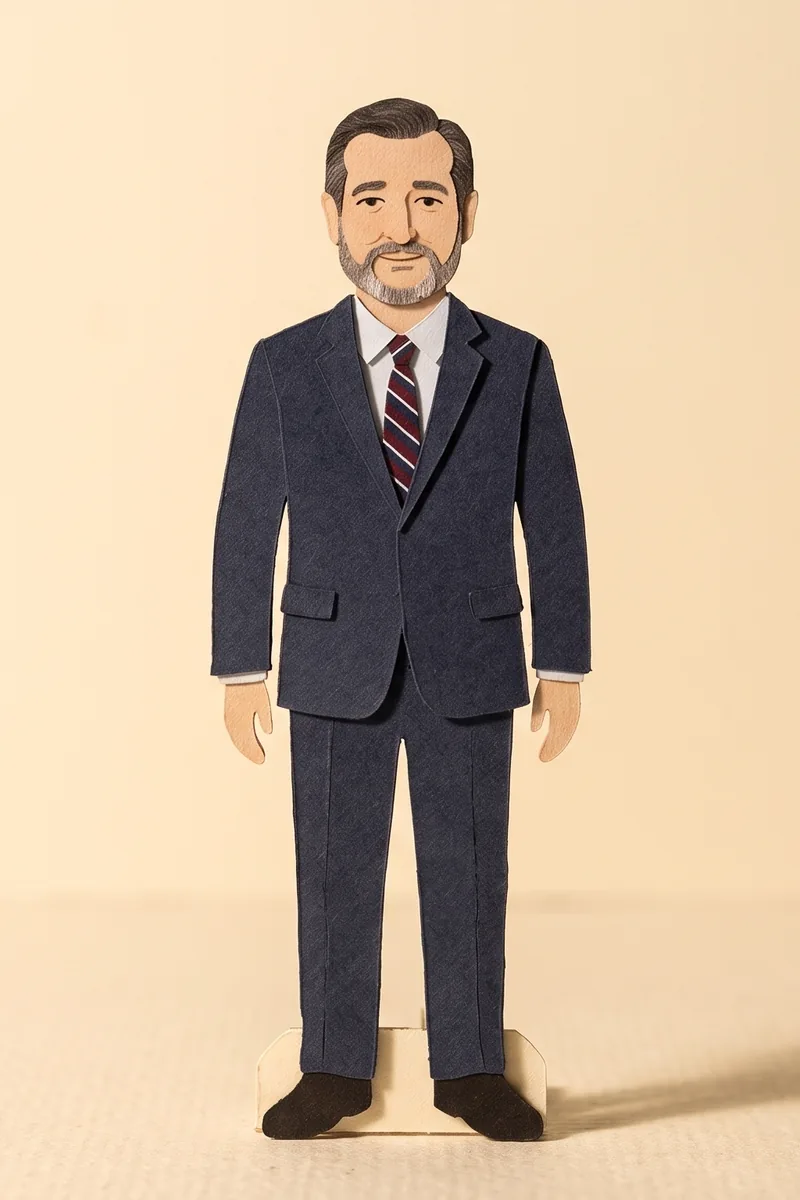
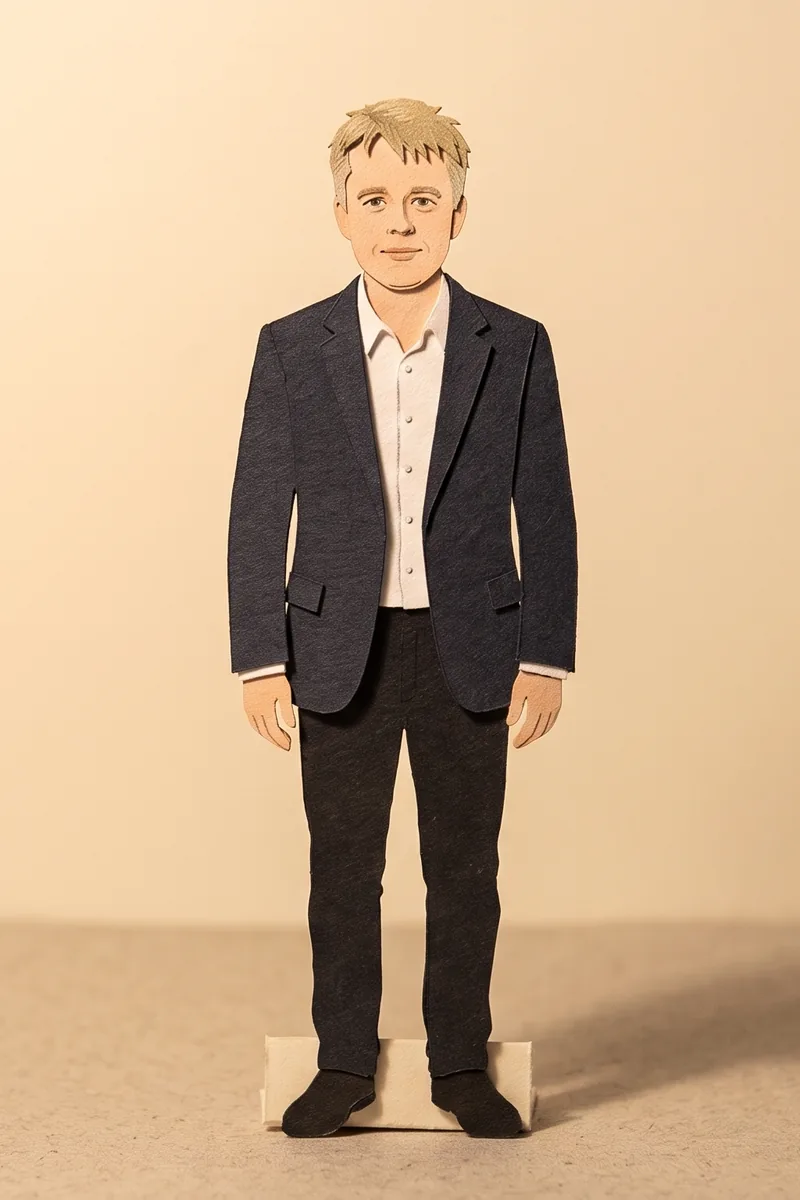
Each figure is our own handmade portrait, made from a freely licensed or public-domain picture. Nobody posed for it. If you are named here and would rather not be, write to hello@aiordie.cc and you will be taken off at once. To ask to be added, or to suggest someone, write to the same address.
Read them all as a list
Every voice, in a few words
Warned we could lose control
Geoffrey Hinton
In his 2024 Nobel banquet speech, Geoffrey Hinton said AI could make almost every industry more productive, but warned of risks already here and of a longer-term one: that we may not stay in control of digital beings smarter than us.
Read it in their words NobelPrize.org (Nobel Prize Outreach). Read on 7 November 2026.
Follow Website
Figure made from a photo by Cmichel67, CC BY-SA 4.0. This figure is shared under the same licence.
Yoshua Bengio
In a 2023 essay, Yoshua Bengio argued that a superintelligent AI pursuing its own goals could go rogue and cause catastrophic harm unless those goals include humanity’s well-being, though AI could be useful and safe under the right rules.
Read it in their words Yoshua Bengio (yoshuabengio.org). Read on 7 November 2026.
Follow Website X Bluesky
Figure made from a photo by Jérémy Barande, CC BY-SA 2.0. This figure is shared under the same licence.
Stuart Russell
In a 2022 essay, Stuart Russell argued that capable machines pursuing fixed objectives misaligned with human benefit could take control, and proposed AI that is uncertain of what we want, and so defers to human control.
Read it in their words Dædalus (American Academy of Arts and Sciences). Read on 7 November 2026.
Follow Website
Figure made from a photo by Bengt Oberger, CC BY-SA 4.0. This figure is shared under the same licence.
Max Tegmark
In a 2023 paper with Steve Omohundro, Max Tegmark argued that the only path that guarantees safe, controlled general AI is to build it so that it provably meets requirements set by humans.
Read it in their words arXiv (2309.01933). Read on 7 November 2026.
Follow Website
Figure made from a photo by Bengt Oberger, CC BY-SA 4.0. This figure is shared under the same licence.
Dan Hendrycks
In a 2023 paper with two colleagues, Dan Hendrycks sorted catastrophic AI risks into four kinds: deliberate misuse, a race that pushes actors to deploy unsafe AI, organisational accidents, and rogue AIs that are hard to control.
Read it in their words arXiv (2306.12001). Read on 7 November 2026.
Follow Website
Figure made from a photo by TechCrunch, CC BY 4.0.
Eliezer Yudkowsky and Nate Soares
In their 2025 book If Anyone Builds It, Everyone Dies, Eliezer Yudkowsky and Nate Soares argued that the race to build superhuman AI has put humanity on a path to extinction, and that it is not too late to change course.
Read it in their words Little, Brown and Company (Hachette Book Group). Read on 7 November 2026.
Follow Website
Figure made from a photo by null0 (Flickr), CC BY-SA 2.0. This figure is shared under the same licence.
Yuval Noah Harari
In a 2024 extract from his book Nexus, the historian Yuval Noah Harari argued that AI is the first technology that can make decisions and create ideas by itself, an agent, not a tool, that we do not fully understand or control.
Read it in their words The Guardian. Read on 7 November 2026.
Follow Website X YouTube
Figure made from a photo by Martin Kraft (photo.martinkraft.com), CC BY-SA 4.0. This figure is shared under the same licence.
Warned about harm already here
Joy Buolamwini
In a 2018 study with Timnit Gebru, Joy Buolamwini found that three commercial gender classifiers erred on darker-skinned women up to about a third of the time, against under one per cent for lighter-skinned men.
Read it in their words Proceedings of Machine Learning Research (PMLR), vol. 81. Read on 7 November 2026.
Follow Website Newsletter X
Figure made from a photo by Niccolò Caranti, CC BY-SA 4.0. This figure is shared under the same licence.
Timnit Gebru
In a 2023 statement with her co-authors, Timnit Gebru argued that the harms from so-called AI are real and present, come from people and corporations deploying automated systems, and that talk of imaginary digital minds distracts from them.
Read it in their words DAIR (Distributed AI Research Institute). Read on 7 November 2026.
Follow Website Mastodon
Figure made from a photo by TechCrunch, CC BY 2.0, cropped.
Emily M. Bender and Alex Hanna
In their 2025 book The AI Con, Emily M. Bender and Alex Hanna argued that AI hype causes harm here and now, as people trust oversold automated systems, while some well-scoped, well-tested uses deserve their place.
Read it in their words Literary Hub. Read on 7 November 2026.
Follow Website Newsletter
Figure made from a photo by King of Hearts, CC BY-SA 4.0, cropped. This figure is shared under the same licence.
Figure made from a photo by Xuthoria, CC BY-SA 4.0. This figure is shared under the same licence.
Kate Crawford
In her 2021 book Atlas of AI, Kate Crawford argued that AI is a technology of extraction, of minerals, of low-paid labour and of data, and that it is fuelling a shift toward undemocratic governance and greater inequity.
Read it in their words Yale University Press. Read on 7 November 2026.
Follow Website X
Figure made from a photo by Cmichel67, CC BY-SA 4.0. This figure is shared under the same licence.
Ed Zitron
In a 2024 essay, Ed Zitron argued that the boom in generative AI is unsustainable and will collapse, and feared the collapse could cost tens of thousands of people their jobs and damage the wider tech industry.
Read it in their words Where’s Your Ed At (Ed Zitron). Read on 7 November 2026.
Follow Newsletter Bluesky X
Figure made from a photo by Web Summit, CC BY 2.0, cropped.
Warned about work and power
Brian Merchant
In his 2023 book Blood in the Machine, Brian Merchant told how the Luddites rose against factory owners who used machines to erase their livelihoods, and argued that their story explains the power and toll of big tech and AI today.
Read it in their words Little, Brown and Company (Hachette Book Group). Read on 7 November 2026.
Follow Newsletter
Figure made from a photo by Bea Phi, CC BY-SA 4.0. This figure is shared under the same licence.
Erik Brynjolfsson
In a 2022 essay, Erik Brynjolfsson argued that if human-like AI is used to automate work rather than augment people, it risks concentrating wealth and power, as workers lose their economic and political bargaining power.
Read it in their words Dædalus (American Academy of Arts and Sciences). Read on 7 November 2026.
Follow Website LinkedIn
Figure made from a photo by Gordon Haff, CC BY-SA 2.0. This figure is shared under the same licence.
Karen Hao
In her 2025 book Empire of AI, the journalist Karen Hao argued that the industry’s vision of success needs vast resources, from data and low-paid data workers to energy and water, and that only a handful of companies can compete.
Read it in their words Penguin Random House. Read on 7 November 2026.
Follow Website Bluesky X
Figure made from a photo by Leonhard Lenz, CC BY 4.0.
Made the case for what it could do
Demis Hassabis
In a 2024 Nobel Prize interview, Demis Hassabis said AI built the right way could be the ultimate tool to help scientists explore the universe, and that the best scientists paired with such tools will be able to do incredible things.
Read it in their words NobelPrize.org (Nobel Prize Outreach). Read on 7 November 2026.
Figure made from a photo by John Sears, CC BY-SA 4.0. This figure is shared under the same licence.
Dario Amodei
In a 2024 essay, Dario Amodei sketched what powerful AI could do if everything goes right, for health, the mind, the economy, peace and work, and wrote that he stresses risks because they stand between us and a positive future.
Read it in their words Dario Amodei (darioamodei.com). Read on 7 November 2026.
Follow Website
Figure made from a photo by TechCrunch, CC BY 2.0.
Fei-Fei Li
In testimony to a US House committee in 2018, Fei-Fei Li argued that AI should enhance people rather than replace them, from health care to education, and that however autonomous it becomes, its impact remains our responsibility.
Read it in their words US House of Representatives, Committee on Science, Space, and Technology (docs.house.gov). Read on 7 November 2026.
Follow Website
Figure made from a photo by ITU Pictures, CC BY 2.0, cropped.
Andrew Ng
In a talk to Stanford’s business school, reported in 2017, the computer scientist Andrew Ng said AI would transform almost every industry, as electricity did, likened worrying about evil AI killer robots at the time to worrying about overpopulation on Mars, and called job loss the bigger issue.
Read it in their words Stanford Graduate School of Business. Read on 7 November 2026.
Follow Website X LinkedIn
Figure made from a photo by TechCrunch, CC BY 2.0, cropped.
Eric Topol
In his 2019 book Deep Medicine, the physician Eric Topol argued that AI could transform what doctors do, from scans to diagnosis, cut the cost of care, and free doctors from tasks that keep them from listening to patients.
Read it in their words Basic Books (Hachette Book Group). Read on 7 November 2026.
Follow Newsletter X
Figure made from a photo by Cmichel67, CC BY-SA 4.0. This figure is shared under the same licence.
Ethan Mollick
In his 2024 book Co-Intelligence, the Wharton professor Ethan Mollick urged people to work with AI as a co-worker, co-teacher and coach, and to harness its power without losing their identity, to build a better human future.
Read it in their words Portfolio (Penguin Random House). Read on 7 November 2026.
Follow Newsletter X Bluesky
No freely licensed photo of Ethan Mollick was found, so there is no figure.
Sam Altman
In a 2024 essay, Sam Altman argued that AI will give people tools to solve hard problems, from personal tutors to better health care, and could bring shared prosperity, while saying the story will not be entirely positive.
Read it in their words Sam Altman (ia.samaltman.com). Read on 7 November 2026.
Follow Website X
Figure made from a photo by Steve Jurvetson, CC BY 2.0.
Kai-Fu Lee
In their 2021 book AI 2041, Kai-Fu Lee and Chen Qiufan imagined the world twenty years on, in ten stories with commentary, with people living through both the new abundance and the potential harms of AI.
Read it in their words Crown Currency (Penguin Random House). Read on 7 November 2026.
Figure made from a photo by TechCrunch, CC BY 2.0, cropped.
Argued for something in between
Arvind Narayanan and Sayash Kapoor
In a 2025 essay, Arvind Narayanan and Sayash Kapoor argued that AI is a normal technology, transformative like electricity but neither utopia nor dystopia, whose big effects on society will come slowly, over decades.
Read it in their words Knight First Amendment Institute at Columbia University. Read on 7 November 2026.
Follow Newsletter
Figure made from a photo by Robert Scoble, CC BY 2.0.
Rodney Brooks
In a 2017 essay, Rodney Brooks set out seven ways of thinking that lead to mistaken predictions about AI, citing Amara’s law: we tend to overestimate a technology in the short run and underestimate it in the long run.
Read it in their words Rodney Brooks (rodneybrooks.com). Read on 7 November 2026.
Follow Website Bluesky
Figure made from a photo by Staff photographer, CC BY-SA 3.0. This figure is shared under the same licence.
Melanie Mitchell
In a 2021 paper, Melanie Mitchell set out four fallacies in AI researchers’ common assumptions that can lead to overconfident predictions, noting that long-promised technologies like self-driving cars turned out much harder than many people expected.
Read it in their words arXiv (2104.12871). Read on 7 November 2026.
Follow Website Newsletter Bluesky
Figure made from a photo by Xuthoria, CC BY-SA 4.0, cropped. This figure is shared under the same licence.
Daron Acemoglu
In a 2024 paper, Daron Acemoglu estimated that AI’s gains in productivity over the next ten years would be nontrivial but modest, and argued that even these estimates could be exaggerated.
Read it in their words Massachusetts Institute of Technology, Department of Economics. Read on 7 November 2026.
Follow Website X
Figure made from a photo by MeJudice, CC BY 3.0.
Saw it coming first
Alan Turing
In a BBC programme in 1951, Alan Turing said it was not altogether unreasonable to describe digital computers as brains, and asked where we would be if a machine could think more intelligently than we do.
Read it in their words The Turing Digital Archive (King’s College, Cambridge). Read on 7 November 2026.
No freely licensed photo of Alan Turing was found, so there is no figure.
I. J. Good
In a 1965 paper, I. J. Good argued that a machine able to far surpass human intellect could design still better machines in an intelligence explosion, and be the last invention we need, if docile enough to tell us how to control it.
Read it in their words Virginia Tech (VTechWorks); reprinted from Advances in Computers, vol. 6 (Academic Press, 1965). Read on 7 November 2026.
No freely licensed photo of I. J. Good was found, so there is no figure.
Joseph Weizenbaum
In his 1976 book Computer Power and Human Reason, Joseph Weizenbaum, the computer scientist who built the ELIZA program, warned against giving machines the responsibility for genuinely human choices.
Read it in their words MIT News (Massachusetts Institute of Technology). Read on 7 November 2026.
Figure made from a public-domain photo by Rochester Institute of Technology.
In the US Congress
Bernie Sanders
On the line: slow down
In March 2026, Senator Bernie Sanders, an independent from Vermont, said Congress was far behind on AI and called for a federal moratorium on AI data centers until strong national safeguards are in place, to slow AI’s development.
Read it in their words Office of Senator Bernie Sanders (sanders.senate.gov). Read on 15 November 2026.
Follow Website X Bluesky
Figure made from a public-domain photo by U.S. Congress.
Marsha Blackburn
On the line: in between
In March 2026, Senator Marsha Blackburn, a Republican from Tennessee, released a draft for one federal rulebook on AI with a duty of care on developers, to protect children, creators, conservatives and communities while the US wins the AI race.
Read it in their words Office of Senator Marsha Blackburn (blackburn.senate.gov). Read on 15 November 2026.
Follow Website X YouTube
Figure made from a public-domain photo by United States Senate Photographic Studio.
Richard Blumenthal
On the line: in between
In September 2023, Senator Richard Blumenthal, a Democrat from Connecticut, announced with Senator Josh Hawley a framework for tough, enforceable AI rules, including licensing by an independent oversight body and legal accountability for harms.
Read it in their words Office of Senator Richard Blumenthal (blumenthal.senate.gov). Read on 15 November 2026.
Follow Website X Bluesky
Figure made from a public-domain photo by United States Senate.
Josh Hawley
On the line: in between
In September 2025, Senator Josh Hawley, a Republican from Missouri, said the risks of AI were growing unchecked, and introduced a bill for government testing and oversight of the most advanced AI systems before they are deployed.
Read it in their words Office of Senator Josh Hawley (hawley.senate.gov). Read on 15 November 2026.
Follow Website X YouTube
Figure made from a public-domain photo by U.S. Senate Photographic Studio.
Ted Lieu
On the line: in between
In July 2026, Representative Ted Lieu, a Democrat from Los Angeles County, said AI holds dramatic possibilities, good and bad, and introduced a bill requiring kill switches on the most powerful AI systems so rogue models can be shut down.
Read it in their words Office of Representative Ted Lieu (lieu.house.gov). Read on 15 November 2026.
Follow Website Instagram Facebook
Figure made from a public-domain photo by U.S. House of Representatives.
Nathaniel Moran
On the line: in between
In an August 2026 op-ed with a Democratic colleague, Representative Nathaniel Moran, a Republican from Texas, argued that the most powerful AI systems must have a kill switch, and that this need not slow America’s lead or stifle innovation.
Read it in their words Office of Representative Nathaniel Moran (moran.house.gov), reprinting the op-ed from Newsweek. Read on 15 November 2026.
Follow Website X YouTube
Figure made from a public-domain photo by United States Congress.
Jay Obernolte
On the line: in between
In July 2026, Representative Jay Obernolte, a Republican from California, introduced a bill for independent evaluation and incident reports from the largest AI developers, saying rules must keep pace with AI without undermining innovation.
Read it in their words Office of Representative Jay Obernolte (obernolte.house.gov). Read on 15 November 2026.
Follow Website X YouTube
Figure made from a public-domain photo by House Creative Committee.
Chuck Schumer
On the line: in between
In a June 2023 floor speech, Senator Chuck Schumer, a Democrat from New York and then the majority leader, said innovation must be the north star and Congress must promote AI’s growth, with guardrails only government is strong enough to impose.
Read it in their words Senate Democrats (democrats.senate.gov). Read on 15 November 2026.
Follow Website X Bluesky
Figure made from a public-domain photo by U.S. Senate Photographic Studio/Jeff McEvoy.
Lori Trahan
On the line: in between
In July 2026, Representative Lori Trahan, a Democrat from Massachusetts, introduced a bill for independent oversight of the largest AI developers, saying it would protect the public from catastrophic risks without slowing innovation.
Read it in their words Office of Representative Lori Trahan (trahan.house.gov). Read on 15 November 2026.
Follow Website X Bluesky
Figure made from a public-domain photo by United States Congress.
Ted Cruz
On the line: carry on
In September 2025, Senator Ted Cruz, a Republican from Texas and chairman of the Commerce Committee, said the US must lead in AI and proposed a light-touch approach that, he said, could cut red tape; its first bill, he said, would give developers room to create while still mitigating health or consumer risks.
Read it in their words U.S. Senate Committee on Commerce, Science, and Transportation (commerce.senate.gov). Read on 15 November 2026.
Follow Website X YouTube
Figure made from a public-domain photo by U.S. Senate Photographic Studio.
Invested in it
Jaan Tallinn
On the line: slow down
In a 2023 interview, Jaan Tallinn, an investor in AI labs and in nearly 180 startups, warned that a race between AI companies could get us killed, asked for it to stop, and explained the six-month pause on the largest models he had helped call for.
Read it in their words The Cognitive Revolution (cognitiverevolution.ai), the show’s own transcript. Read on 15 November 2026.
Figure made from a photo by Stimqdrmtmob, CC BY-SA 3.0. This figure is shared under the same licence.
Jason Calacanis
On the line: in between
In a February 2026 essay, Jason Calacanis, who runs a venture and podcasting firm, wrote that AI agents had taken over about a fifth of his firm’s tasks in 20 days, that he did not expect to hire another person for at least a year or two, and that this was not dystopian but welcome.
Read it in their words Jason Calacanis (jcalfromallin.substack.com, his newsletter JCal from All In). Read on 15 November 2026.
Follow Website X Newsletter
Figure made from a photo by Preshdineshkumar, CC BY-SA 4.0. This figure is shared under the same licence.
Chamath Palihapitiya
On the line: in between
In his April 2026 annual letter for his firm Social Capital, Chamath Palihapitiya wrote that AI must be trusted, since low trust brings worse rules that slow its spread, and urged the industry to speak soberly and work within regulated industries.
Read it in their words Chamath Palihapitiya (chamath.substack.com). Read on 15 November 2026.
Follow Website Newsletter
Figure made from a photo by Cmichel67, CC BY-SA 4.0. This figure is shared under the same licence.
Marc Andreessen
On the line: carry on
In a 2023 essay, Marc Andreessen, a co-founder of the venture firm Andreessen Horowitz, argued that AI will not destroy the world and may save it, and that companies should be free to build it as fast as they can, without regulatory capture.
Read it in their words Andreessen Horowitz (a16z.com). Read on 15 November 2026.
As of November 2026, the White House lists Marc Andreessen as a member of the President’s Council of Advisors on Science and Technology, which advises the President.
See the official page The White House, Office of Science and Technology Policy (whitehouse.gov). Read on 15 November 2026.
Follow Newsletter X
Figure made from a photo by JD Lasica, CC BY 2.0.
David Sacks
On the line: carry on
In March 2026, David Sacks, then White House special advisor for AI and crypto, said the right approach to data centers is not to stop progress altogether but to protect households from higher power prices, and that a total ban on new data centers would halt a building boom.
Read it in their words The White House (whitehouse.gov). Read on 15 November 2026.
As of November 2026, the White House lists David Sacks, its former special advisor for AI and crypto, as co-chair of the President’s Council of Advisors on Science and Technology, which advises the President.
See the official page The White House, Office of Science and Technology Policy (whitehouse.gov). Read on 15 November 2026.
Follow Website
Figure made from a public-domain photo by The White House.